
Toward Personalized DCIS Care With Multimodal AI
Integrating imaging, histology and clinical data could guide surgical decisions and preoperative planning
Ductal carcinoma in situ (DCIS) is early-stage, non-invasive breast cancer that has variable potential for invasive progression. Approximately 20% of patients with biopsy-proven DCIS are found only on surgical pathology to have invasive breast cancer occult to current clinical, imaging and pathologic methods of preoperative assessment.
Current practice is to treat all DCIS cases as if they were all invasive breast cancer, typically with surgery and radiation. This approach leads to potential overtreatment in those patients with DCIS alone (pure DCIS).
A major barrier to personalized DCIS management is the lack of an accurate diagnostic method to detect invasive breast cancer from preoperative diagnostic methods.
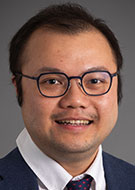
In his 2023, R&E Foundation Research Resident Grant, “Prediction of Occult Invasive Breast Cancer in Women with Ductal Carcinoma In Situ Using Multitask Deep Learning,” Wenhui Zhou, MD, PhD, and his team hypothesized that combining imaging with complementary clinicopathological data would significantly improve the ability to differentiate between pure DCIS and DCIS with invasive breast cancer.
“Our research aims to develop a personalized risk assessment using multiparametric MRI and clinicopathological data to better predict invasive disease,” said Dr. Zhou, assistant professor in the Department of Radiology, University of Wisconsin School of Medicine and Public Health, Madison. “This data-driven approach could revolutionize risk-adaptive treatment strategies and identify patients who can be safely managed with active surveillance instead of upfront surgery.”
AI Plus MRI Data Supports Radiologists
Breast MRI is the most sensitive modality for detecting DCIS, and when combined with multiparametric techniques, such as high spatiotemporal resolution perfusion imaging and diffusion imaging, it provides complementary anatomical and functional assessment.
However, current radiological assessment of DCIS is largely limited to basic lesion shape and size, which does not fully capture its complexity. An AI approach has the potential to leverage quantitative MRI data to assess the anatomical and biological complexity that are not readily discernible by radiologists.
Using a multitask deep learning approach, Dr. Zhou and team are developing the framework, data infrastructure and methodology for aggregating and synthesizing multidisciplinary data with routine diagnostic workup.
“The predictive value of features derived from imaging modality alone is limited. Combining clinical and histopathology assessment can provide complementary data and has the potential to improve the prediction. Indeed, several nomograms combining clinical, histological and radiological features have been clinically utilized to estimate the postoperative risk of DCIS recurrence,” Dr. Zhou said. “However, no such nomogram is currently available for risk stratification of DCIS. Thus, we developed an AI model that can integrate quantitative MRI data and clinicopathological data for a multimodal risk assessment of DCIS.”
If validated, this tool could change shared decision-making between surgeons and patients, particularly when determining whether their DCIS diagnosis can be managed with a watchful waiting approach rather than immediate surgery.
“Once we validate the model to automate DCIS detection and characterization directly from breast MRI, the second goal of this project is to develop and validate a risk assessment score using multimodal data from preoperative assessment, for predicting invasive breast cancer in DCIS,” Dr. Zhou said. “The end product will be a user-friendly, clinically actionable, point-of-care tool for radiologists, surgeons and oncologists to estimate the likelihood of invasive breast cancer for individual patients diagnosed with DCIS.”
R&E Foundation Support Beneficial
Dr. Zhou is grateful to the R&E Foundation for its investment in his research project and future career.
“The RSNA Resident Research Grant provided me with protected time and accelerated my transition toward an independent research career through mentored research, career development and multidisciplinary collaboration,” Dr. Zhou said. “Without this support, I would not have had the opportunity to launch my tenure-track faculty position and pursue my dream job as a physician-scientist in radiology. The results of this study have provided the important preliminary data to help secure research funding to continue this nascent area of research.”
For More Information
Learn more about R&E Foundation funding opportunities.
Read previous RSNA News stories on breast cancer imaging: